2 Years on a Low Vitamin A Diet
In February 2024, I decided that I would try out a low-vitamin-A diet. Given it’s been over 2 years now, I thought I’d write a summary of why I ended up doing this, how it has been, and what’s changed for me and my health.
Firstly, if this sounds kind of whack to you, I totally understand. I was sceptical of the low-A people in the alternative health community for years; in fact, it angered me a little when I first came across it. It went against a lot of what I thought to be true about nutrition. While it took a bit of pain to get here, I’m so grateful that I decided to question this, as I believe that there is definitely some truth here.
As I’ll discuss, reducing my vitamin A intake is not the only variable I changed over the last few years, and it might not even have been the most significant to my health progress. Even if vitamin A toxicity was not a major root cause for me, I do believe that the process of reducing it has helped facilitate the healing process.
How did I get here?
I have had a long history of different diets since I was first diagnosed with ulcerative colitis. First, it was the Specific Carbohydrate Diet, which I failed miserably after 4 months. Then I implemented Weston A. Price principles, which I stuck to for many years. I also tried a lot of different dietary approaches, like the autoimmune protocol, the Fast Tract diet, and the primal diet. None of these delivered lasting results for me, even though I was eating incredibly clean, focusing on sourcing organic, whole foods.
There was always something off about these diets for me. I would often have initial improvement, followed by a decline phase.
In 2023 my diet with excessive fat and low fiber intake, alongside living in a mouldy home for 5 months, pushed me over the edge. I had what we call in this low-vitamin-A world a massive “bile dump”. Constant yellow diarrhoea, significant weight loss, insomnia, fatigue and delirium. It was a pretty bad time, but once I realised mold was a factor, I got out within a week and began to figure out what had just happened. I had thought with everything I was doing I would be more resilient to something like mold, not that it would hit me all of a sudden like a tonne of bricks.
This was not my first encounter with mold. A few years prior (2021-22), I was living in an apartment that had water damage and noticed various symptoms which got me interested in the topic. There’s a good chance that mold was a root cause factor for me when I was first diagnosed in 2017, as many of the classic mold symptoms were present during my late teenage years.
During my deep dives into mold toxicity, the term “bile” came up very often, and it seemed to play a very important role in how to recover from mold toxicity. As I was delving more into the low vitamin A detox approach, Dr Garrett Smith’s work on “Toxic Bile Theory/Paradigm” seemed to tie in nicely with what I knew about mold. I felt that in order to recover, I needed to allow my body to effectively detoxify by eliminating toxins via the bile.
Another thing about Dr Garrett Smiths work which I was curious about was copper toxicity. I had gotten a hair tissue mineral analysis test done several years prior, which showed very high copper levels. Unfortunately, I was into the whole root cause protocol “bioavailable copper” fiasco at that time, which absolutely did NOT help me one bit. Many people in the alternative health world seem to think that copper can do no harm and is only beneficial. My experience has shown me that they are very wrong and possibly causing people significant harm.
Something I did right before starting the diet is that I took activated charcoal. This is before I found out how helpful it is for those undertaking a low vitamin A diet. But I did know that it could help to bind bile and mold mycotoxins. I had to go up slowly, because increasing by even 1/8 of a teaspoon would lead to horrible bile-dumping symptoms. But it helped with my symptoms significantly, even before changing anything diet-related. It was like my brain gradually began feeling less toxic, and my number of daily bowel movements reduced to a slightly more manageable level.
So, given my diet history, my experiences with mold, and my existing copper toxicity, I thought, why not give this a try? I decided to cut down my vitamin A consumption and reduce high-copper sources like chocolate and see what happens. I didn’t really have anything to lose, and I certainly was not deficient after years of pumping vitamin A down my gullet.
First 6 months
Within about 6 weeks I had gained over 4 kg, which for me was significant. No matter what I had done my entire adult life, I could never seem to become much heavier than 55 kg, which is very underweight for someone of my height (180 cm). For me, this was confirmation that I was onto something here. In addition to this, my GI symptoms improved as well.
During the first 6 months, I gradually began experimenting with increasing charcoal, soluble fiber, and supplements like zinc. I went slow, but probably not slow enough. It sometimes felt like I was taking 2 steps forward and 1 step back, but I felt that I was moving in the right direction. I began to become more familiar with “bile dumping” symptoms, which for me were diarrhoea, nausea, body aches, fatigue, acne and feeling down & depressed. They would often be brought on by what Dr Smith calls “agitators”, such as too much sun/heat, stress, soluble fiber, increasing certain supplements, and even space weather (which has been a huge realisation for me).
The “Detox Setback”
At the 6-month mark, I began experiencing what people like Grant Gereroux describe as the “detox setback”.
It could have been triggered by introducing oats, a high soluble fiber source. However, regardless of the cause, I found myself spending significantly more time in the bathroom. It lasted a few weeks but was definitely not as intense as what had happened the previous year. I still could keep my weight on, the fatigue wasn’t crippling, and eventually I was feeling a bit better.
I moved to Queensland, Australia, after this in September 2024, where the sun & heat can get a bit intense. As summer was approaching, I did feel a gradual worsening over the next period. I have noticed over the years that I tend to have fewer symptoms over the cooler months, and I really wonder if that has to do with sun & heat being agitators, increasing bile production, which can lead to bile dumps.
I also began increasing my zinc dose, adding selenium and even adding in some flush niacin (nicotinic acid) for a bit. In hindsight, I regret this, and I think it contributed to what happened next.
While I had a decent few months after moving, when I got to the Christmas holidays I did not feel great. The previous setback only lasted a short while, but unfortunately this one was persisting. In late January 2025, I believe I got food poisoning, and things worsened from there. Long story short, I had a similar experience to what happened in the moldy home. I became very dehydrated, and eventually my legs started swelling in what’s called “erythema nodosum”, indicating that my levels of inflammation were out of control. So, I went to the ER.
It was a pretty horrible experience. I had a sky-high CRP (inflammation) and low blood sodium, which was why I felt like I was going to pass out at any moment. I came out after a week with a course of prednisone and infliximab infusions scheduled.
Both the cause and the solution
Something that Dr Garrett Smith says is along the lines of “bile is both the cause of and the solution to your health problems”. While my health was in shambles, I didn’t completely blame the diet, and now that over a year has passed I still believe that I was on the right track to some extent. But it should caution anyone thinking about trying this: tread carefully.
I believe that my body got into a state where it was detoxifying faster than I could handle. It got to a point where it felt like a train that was not going to slow down easily. However, I do believe there were some things that I could have done to reduce the damage:
- Reduce or remove zinc picolinate from 30 mg. I have recently reduced my zinc picolinate to 15mg and have noticed improvements. Zinc antagonises copper, and so taking a form of zinc like picolinate could theoretically force me into detoxing more than I can handle.
- Reduce or remove selenium
- Do not try niacin at this time, as it can increase bile dumping.
- Seriously limit sun & heat exposure
- Take vitamin C
- Limit stress
- Cut soluble fiber, especially oats. Eat throughout the day rather than in massive single doses (e.g. a huge bowl of oats every morning).
Year 2
I decided to stick with this diet during 2025 and to keep things steady rather than changing supplements and foods often. I had to come to terms with taking a biologic medication for several years for my ulcerative colitis and decided it was the best thing for me to do at this stage. While I’m not a fan of medications, they definitely helped me here, and I believe that I can do the work underneath to heal whilst taking them, to keep inflammation levels steady and especially to prevent something like this from ever happening again. It’s a very individual decision, but I had avoided these medications for many years out of fear and feeling the need to “do it all naturally”. I feel that right now I have a good balance, and I do believe I will be medication-free one day, just not today.
I haven’t noticed any significant side effects from these medications, especially compared to others like azathioprine, which I’ve been on in the past. I can’t prove it, but I do believe that this detox has something to do with that.
This was a much more stable year; however, I did change medications a bit. I went from infliximab (Remicade) to upadacitinib (Rinvoq) to ustekinumab (Stelara), which I’m currently on. The reason being is that my gastroenterologist wants to see significant mucosal healing, and the scopes I had showed persistent moderate left-sided inflammation. I’m hoping that Stelara can help me to reach my goal of endoscopic remission.
While my UC is still visibly active, I have felt very stable throughout the past year. I did notice a similar pattern of symptoms worsening a bit as the summer months came on, but now the primary symptom is nausea, and it’s far less crippling than before.
I have always known that UC would probably be the final thing to improve for me, as it is my biggest issue by far. The good news is that a lot has improved for me, which I will get into now.
What got better
- Outside of when I’m having bile dumps, my digestive issues are much better, with consistent formed stools (1-3 daily) and no bleeding. As I mentioned, when I do go through bile dumps, the main symptom for me is nausea, and urgent loose bowels like before are becoming less common. Usually if I have digestive issues, there’s a clear reason for it, and most of the time my symptoms are stable.
- As mentioned, I gained 5kg within months, which I could never do in the past. I’m currently 63.5kg (8.5kg gained in total) and aim to gain more.
- My acne cleared up, and overall my skin is much better. In the past I seemed to always have something going on with acne, but right now I have consistently clear skin, which I really appreciate. I noticed cystic acne came back when trying the drug mesalazine again for UC, but after stopping it, it went away, and my skin has been clear since.
- My mental health has improved. I have a history of being a rather anxious person, but that temperament has become far less pronounced in my day-to-day life. When I do get anxious, it is much more manageable, and there’s usually a clear reason for it, as opposed to just constant agitation and overthinking like before.
- I also experience less anger. I was never visibly angry but definitely had a lot built up, and it’s far easier to maintain a sense of peace and calm now. I think that doing inner work is really important to identify your mental patterns that don’t support you, but it feels very hard to do when your body is a biochemical mess. One theory I have around this is that, especially for more underweight types like me, the toxins that are fat-soluble can end up in the brain. By following this detox approach, you allow these toxins to be removed.
- My energy levels are good and stable throughout the day. I had been experiencing fairly consistent fatigue, kind of a “wired but tired” feeling, which is a classic copper toxicity symptom. Now it is more of a steady, calm but energised feeling. I do, however, still experience fatigue during bile dumps or when I don’t get more than 7 hours of undisturbed sleep.
- My sleep has improved overall, mainly, I think, from not having to wake up in the middle of the night to do a bowel movement. There is a condition called ‘bile acid malabsorption’, which I suspected to be present for me because one of the prominent symptoms of it is overnight bowel movements. I believe that by binding the bile, as well as becoming less toxic, which would lessen the toxicity of the bile, it allows me to not have to wake up during the night and also have fewer bowel movements overall with better form.
- My body odour reduced. I used to have occasional bad instances of BO, but I don’t notice this anymore.
- Along with fatigue, my brain fog is basically gone. I’m able to focus much better in daily life and at work. There’s a saying in the mold community - “mold brain” - where mold can make it hard to think clearly. I think that being toxic in general can cause brain fog, but mold makes it a whole lot worse.
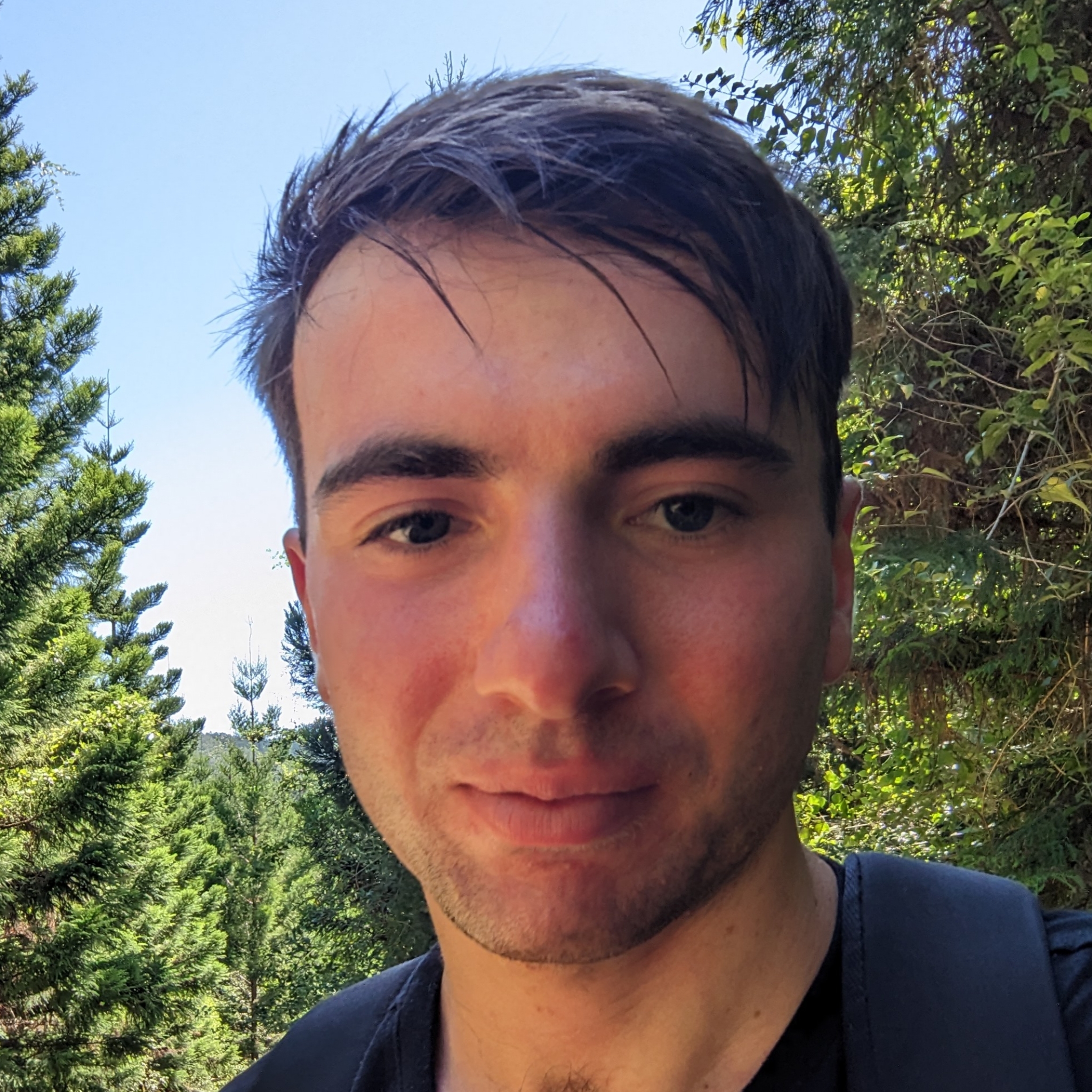
- In general, people have commented that I look healthier, which was especially noticeable over the first year. The weight gain probably helped here, as I probably just looked a bit gaunt previously. However, when I ended up in hospital 1 year in, having lost 10kg, my face still looked different from before. It seems to be a common thing that people experience in this community.
- I don’t seem to crave prolonged sun exposure like I used to. This is an interesting one, especially when we understand how the sun supports detoxification. It seems it’s common for people on high vitamin A diets to be sun-addicted, and I was like this for a time. For a lot of these people, the sun might be helping them get away with eating such an extreme diet and postponing their health’s eventual collapse. I like a bit of sun but not too much, and where I live I don’t need to be that intentional about it because it’s almost always sunny. It just fascinates me that the urge to just bake myself in the sun for hours is gone.
Hair Tissue Mineral Analysis (HTMA) results
I had two HTMA tests done over the last few years, the most recent from a few weeks ago.
- My copper levels have gone from extremely high to almost within the normal range. It began at an extraordinary 14.6 in 2022, dropped to 4.9 in 2025, and is now 3.8 (see chart below).
- Some toxic metals like cadmium and lead have gradually increased. Most likely this is due to the body removing them now that it has capacity to, as opposed to an exposure problem.
- Selenium has gone a bit high, so I am stopping supplementation.

What got worse
It seems like the main negatives I’ve experienced are related to the whole “bile dumping” thing. It is just really annoying and can become dangerous if it goes too far.
Essentially, it seems that I’ve become more sensitive to anything that increases the rate of detox or bile production. The good news is that a lot of this I can have control over: heat, sun, stress, and supplements. For example, earlier this year, I cut my zinc dose from 30 mg to 15 mg and noticed a difference. Being careful about my sunlight exposure also helps.
Some people say that they can tolerate a lot more sunlight than they used to after following this for a while. For me, I have noticed myself become more sensitive, as prolonged sun exposure can cause bile-dumping symptoms the following day or two. Before I started the diet, I did not experience this. A theory I have is that my “rate of detox” is faster by being on this diet, and too much sunlight pushes it over the edge.
Conclusion & plans for the future
Given the negatives I have experienced, I really encourage people to apply caution when considering this approach. Like I’ve mentioned, there are ways to manage these negatives, and it might not be best to go “all in” straight away, especially if your condition is serious.
I think I’m going to stay on some form of this diet and supplements for the next year because I don’t really see any reason not to. To me, the diet is simple, easy, enjoyable, and makes me feel good, so why stop?
However, I am relaxing on limiting certain foods too much, such as eggs, pork, dairy, tomatoes, and beef liver (just kidding). If something makes me feel bad, I won’t eat it, or I will cut it down to a point where it doesn’t affect me. Overall I’m just not too worried about eating a bit more vitamin A here and there, because I don’t think I react to high-vitamin-A foods at all. Going too strict may have actually caused problems for me, so I don’t see many disadvantages to eating a bit more while staying below the RDA.
It seems like copper toxicity could have been the most significant issue for me, and so it’s great to see it improving with tangible results.
I also recently started doing niacin enemas regularly, as there’s very interesting evidence on this helping with UC. Given that my UC is on the left side, getting niacin directly to where the problem is seems like a powerful tool to help me achieve my goal of endoscopic remission.
Overall, I’m still learning and experimenting and don’t have any hard conclusions about this diet and approach yet. What I do believe now is that vitamin A toxicity is definitely a legitimate concern. But I do have concerns about going on a restrictive diet long-term to avoid as much of it as possible. I have a lot of respect for people like Grant Generoux who are doing so to prove a scientific point. But I think there could be potential for long-term harm.
If there’s anything I’ve learned from all of this, it is that we don’t know it all. We also don’t know what we don’t know. So following an extreme approach long-term is always going to carry risk. I find it best to take the approach of hedging my bets and maintaining some sort of balance, just in case I’m wrong.
I’ll keep posting updates here and on my YouTube channel, so stay tuned.